Resources

67 results

Clear filters
  • Industry +1

    What is a digital travel credential (DTC)? Types, how it works and what is ready today

    A digital travel credential (DTC) is a digital representation of the data in an electronic passport or identity document, cryptographically linked to its issuing authority. Defined by ICAO, DTCs can allow trusted travel document data to be checked before arrival, supporting faster border processes while maintaining the security behind electronic passports. 
    Woman holding a passport and boarding pass while standing in the aisle of an aeroplane.
  • Industry +2

    Automated onboarding AMLR: do you need a human agent?

    The new EU Anti-Money Laundering Regulation (AMLR), which applies from 10 July 2027, allows customer identity verification to be fully automated. What it does require is that the obliged entity apply human judgment to its own decisions regarding the customer, which is an entirely different task.
    Automated onboarding under AMLR visual
  • Industry +1

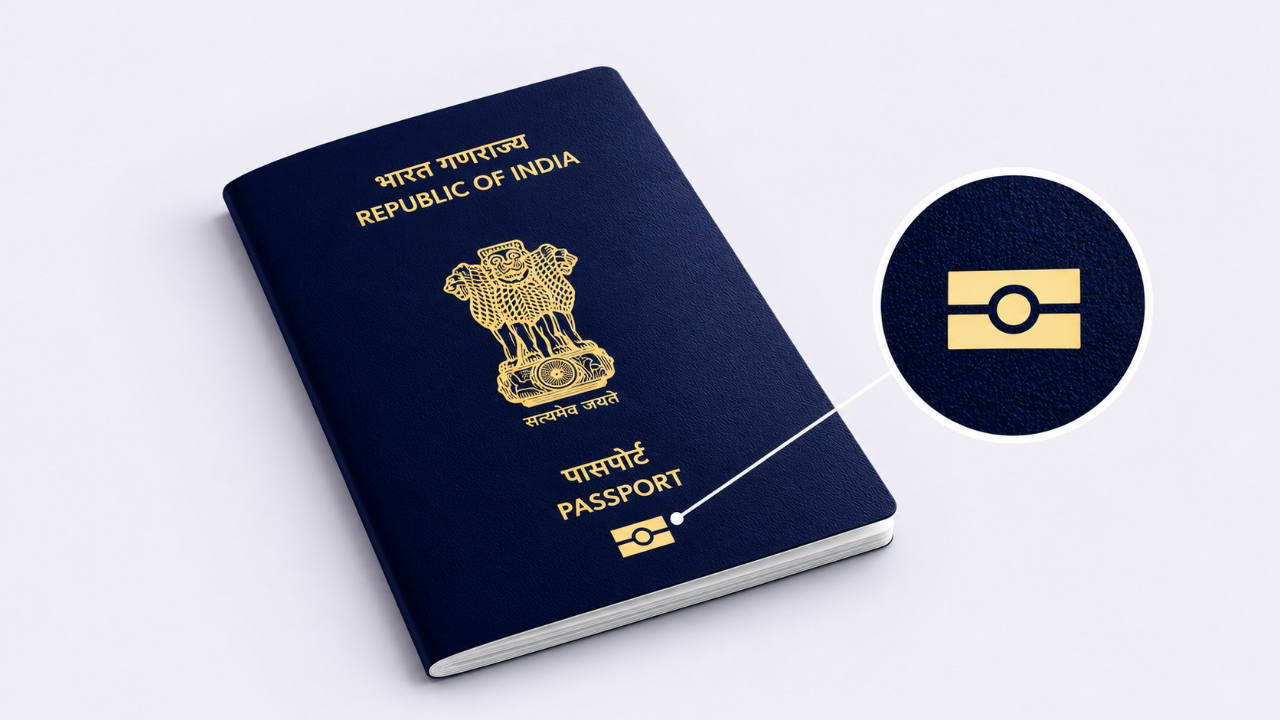
    The rise of the Indian ePassport

    The nationwide rollout of India’s next-generation ePassports with electronic chips is accelerating rapidly and Signicat is seeing a clear upward trend in the number of Indian ePassports verified remotely by businesses and government authorities around the world. For organisations conducting identity verification or KYC, this creates an opportunity to verify Indian users remotely, with greater confidence in the authenticity of their identity documents. Here is a breakdown of this interesting development and what it means for organisations verifying Indian citizens.
    Indian ePassport
  • Industry

    Identity fraud in the age of AI: 12 questions businesses should be asking

    In our recent webinar, Do Identity Fraudsters Think AI-First? Fraud, liability and the new rules of digital trust, experts from Signicat and Banqup Group discussed evolving fraud threats, liability and how to strengthen security without adding unnecessary friction. The session also sparked some great questions, and in this article, we're answering those we didn't get to explore in depth. Watch the webinar recording
    Identity fraud in the age of AI: 12 questions businesses should be asking
  • AI can fake IDs. It can’t fake the proof inside the chip

    AI can generate convincing identity document images in seconds. Combined with personal information from data breaches, it allows fraudsters to fabricate documents at scale, using stolen details or entirely invented identities.For banks and financial institutions, this raises a difficult question: how do you establish authenticity when the evidence itself can be manufactured?Part of the answer is already inside electronic passports, identity cards and residence permits. Their chips hold identity data digitally signed by the issuing authority. NFC technology allows organisations to read that data and verify its authenticity cryptographically.
    AI can fake IDs. It can’t fake the proof inside the chip
  • Compliance

    Online age verification in the UK: Ofcom’s highly effective age-assurance requirements

    The UK's Online Safety Act has fundamentally changed how online services must protect children from harmful content. A central pillar of this new legislation is the legal requirement for "highly effective age assurance," enforced by the UK's communications regulator, Ofcom. For businesses operating in the UK, understanding these rules is no longer optional, it's a legal and operational necessity.
    Graphic showing a user profile, a "+18" symbol, and a legal gavel.
  • Industry

    Optimising digital identity onboarding in Norway: Capturing the hidden 1–5% (2026)

    Norway has digital identity figured out. With near-universal BankID adoption, baseline conversion rates are exceptionally high and drop-off rates are incredibly low. But this success creates a dangerous blind spot: the complacency trap. Because the baseline is so high, many enterprises assume their digital onboarding works perfectly simply because they have a BankID integration in place.
    llustration for Signicat's onboarding process, showing three browser tabs where the first tab displays a hand holding an icon of multiple people and credentials.
  • Industry

    Fraud detection in mobility platforms: successful attacks are rising

    Fraud detection in mobility platforms requires an intelligent balance between strong identity verification and a simple user experience. This article explores how to protect your transport services, rental fleets, and peer-to-peer marketplaces from identity risks at the point of transaction using real data and proven strategies.
    A Signicat brand graphic illustrating a smartphone displaying a secure green checkmark next to a digital map with a car.
  • Industry +2

    EUDI Wallets: What Denmark's AltID launch signals for European business strategy

    Across Europe, the digital identity landscape is undergoing a monumental shift. Denmark's launch of its new national digital wallet, AltID, on June 3, 2026, marks a pivotal moment in this transition, offering a clear signal for what lies ahead for businesses across the continent.For decision-makers, the time to observe from the sidelines is over. The critical questions are no longer if, but how to strategically adapt to a future built on digital wallets. Now is the time to understand the current landscape, the upcoming legal requirements, and how to navigate a new reality that will define the future of digital commerce.
    EU-lommebok og Norges digitale fremtid