Resources

  • Solutions

    Say hello to Signicat Flow

    Signicat is merging Signicat Mint and RiskFlow Orchestration into one unified product called Signicat Flow. 
    Transition from Mint and Riskflow to Signicat Flow
  • Industry +2

    Signicat ranked #81 in the Chartis RiskTech100® 2027

    Signicat has been ranked #81 out of 100 in the Chartis RiskTech100® 2027, published by Chartis Research on 24 September 2026. The annual RiskTech100® ranking provides an independent assessment of major technology providers across the global risk and compliance technology market. 
    Image with Chartis RiskTech 100 logo, and below it, the text 'Signicat Top 100'
  • Industry +1

    What is a digital travel credential (DTC)? Types, how it works and what is ready today

    A digital travel credential (DTC) is a digital representation of the data in an electronic passport or identity document, cryptographically linked to its issuing authority. Defined by ICAO, DTCs can allow trusted travel document data to be checked before arrival, supporting faster border processes while maintaining the security behind electronic passports. 
    Woman holding a passport and boarding pass while standing in the aisle of an aeroplane.
  • Industry +2

    Automated onboarding AMLR: do you need a human agent?

    The new EU Anti-Money Laundering Regulation (AMLR), which applies from 10 July 2027, allows customer identity verification to be fully automated. What it does require is that the obliged entity apply human judgment to its own decisions regarding the customer, which is an entirely different task.
    Automated onboarding under AMLR visual
  • Industry +1

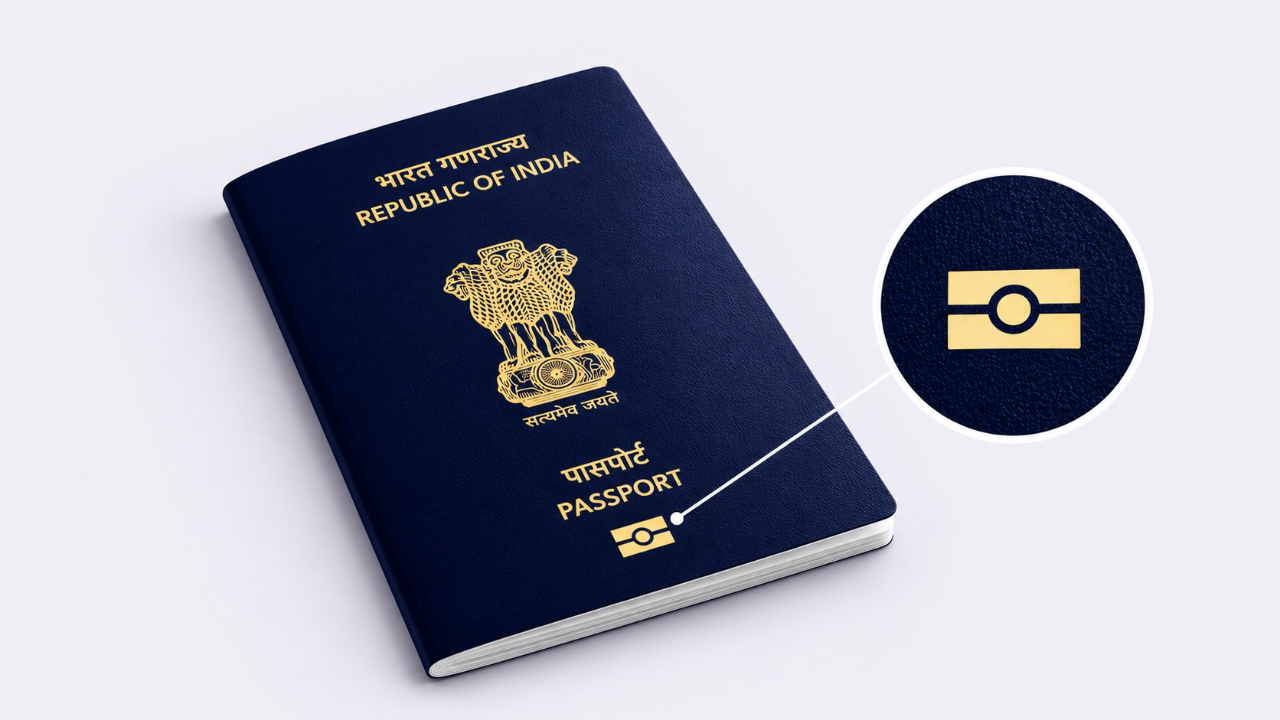
    The rise of the Indian ePassport

    The nationwide rollout of India’s next-generation ePassports with electronic chips is accelerating rapidly and Signicat is seeing a clear upward trend in the number of Indian ePassports verified remotely by businesses and government authorities around the world. For organisations conducting identity verification or KYC, this creates an opportunity to verify Indian users remotely, with greater confidence in the authenticity of their identity documents. Here is a breakdown of this interesting development and what it means for organisations verifying Indian citizens.
    Indian ePassport
  • Industry

    Identity fraud in the age of AI: 12 questions businesses should be asking

    In our recent webinar, Do Identity Fraudsters Think AI-First? Fraud, liability and the new rules of digital trust, experts from Signicat and Banqup Group discussed evolving fraud threats, liability and how to strengthen security without adding unnecessary friction. The session also sparked some great questions, and in this article, we're answering those we didn't get to explore in depth. Watch the webinar recording
    Identity fraud in the age of AI: 12 questions businesses should be asking
  • Dokobit Portal vs API: Which electronic signing solution is right for your business?

    Your HR team needs to send an employment contract today. Meanwhile, your IT department is building an automated signing process for thousands of customer agreements. Both need electronic signatures, but they don't necessarily need the same solution. The choice between an electronic signature portal and an API depends on how signing fits into your business. Some teams need a ready-to-use solution, while others need signing embedded directly into existing systems. With Dokobit by Signicat, businesses can choose a ready-to-use Portal, an API integration, or a combination of both. 
    Dokobit Portal vs API: Which electronic signing solution is right for your business?
  • AI can fake IDs. It can’t fake the proof inside the chip

    AI can generate convincing identity document images in seconds. Combined with personal information from data breaches, it allows fraudsters to fabricate documents at scale, using stolen details or entirely invented identities.For banks and financial institutions, this raises a difficult question: how do you establish authenticity when the evidence itself can be manufactured?Part of the answer is already inside electronic passports, identity cards and residence permits. Their chips hold identity data digitally signed by the issuing authority. NFC technology allows organisations to read that data and verify its authenticity cryptographically.
    AI can fake IDs. It can’t fake the proof inside the chip
  • Simplifying document signing and storage for Nordic businesses

    Operating a business across Norway, Sweden, Denmark, Finland, and Iceland comes with a unique set of administrative challenges. While the Nordic region leads the world in digital adoption, each country has historically relied on its own distinct electronic identity (eID) system.When you need to get a contract, a non-disclosure agreement, or a hiring document signed across borders, this fragmentation quickly becomes a major bottleneck. A partner in Sweden expects to use BankID, a customer in Denmark uses MitID, and your team in Finland relies on the Finnish Trust Network (FTN). Managing these different tools often leads to multiple subscriptions, disjointed processes, and security gaps.
    Simplifying document signing and storage for Nordic businesses