Resources

107 results

Clear filters
  • Industry

    Navigating the wallet era: how companies should prepare in 2026

    The government backed EU Digital Identity Wallet launches in end-2026. Private-sector wallets are already widely used, especially in payments. How can your company take the first practical steps towards the wallet era? Updated: May 25, 2026
    EUDI Wallets illustration featuring a wallet, a smartphone, Signicat logo, and the official EUDI Wallet logo
  • Industry

    EUDI Wallet Sweden: What it means for digital platforms

    The European digital identity wallet is arriving in 2027, bringing major changes to how businesses handle user authentication. Learn how Swedish platforms can prepare for this shift with guidance from Signicat and Qte. 
    An icon of a digital wallet. A line drawing of a wallet with a European Union-style circle of stars and a checkmark is superimposed on a purple outline of a smartphone. The wallet icon is highlighted by a bright turquoise circle.
  • Industry

    EUDI Wallet business models in 2026: is the elephant still in the room?

    The 2025 article, “The elephant in the European Digital Identity Wallet room: how can service providers get paid?”, raised a crucial question about the EUDI Wallet business model: how will commercial actors in the ecosystem get paid? Without payment, commercial actors won't provide services, or they must rely on government funding, which might not be the ideal situation. This post revisits the issue, exploring what has changed and what has not since the 2025 article was published. The observation is that the elephant is still there but actors try to circumvent it by finding alternative ways of getting paid that can work at least for the short term.
    An image depicting an elephant behind a phone that has an EU Digital Identity Wallet
  • Industry

    Optimising digital identity onboarding in Norway: Capturing the hidden 1–5% (2026)

    Norway has digital identity figured out. With near-universal BankID adoption, baseline conversion rates are exceptionally high and drop-off rates are incredibly low. But this success creates a dangerous blind spot: the complacency trap. Because the baseline is so high, many enterprises assume their digital onboarding works perfectly simply because they have a BankID integration in place.
    llustration for Signicat's onboarding process, showing three browser tabs where the first tab displays a hand holding an icon of multiple people and credentials.
  • Industry

    How Nordic fintechs scale across Europe

    Expanding a financial product across Europe is a massive opportunity, but local regulations often block growth. In Sweden and Finland, signing up for financial services is simple because almost everyone uses Swedish BankID or the Finnish Trust Network (FTN). Nordic customers expect instant onboarding. 
    An image depicting companies scaling outside of the Nordics
  • Industry

    Your AI opens a bank account for you. Who goes to jail if it lies?

    The shift from simple AI assistants to agentic AI means machines can now execute financial decisions on your behalf. This presents a monumental compliance challenge for regulated industries, requiring an urgent rethink of digital identity and legal liability.
    Cover image with the text 'Opinion article: When AI lies, who takes the blame?'
  • Industry

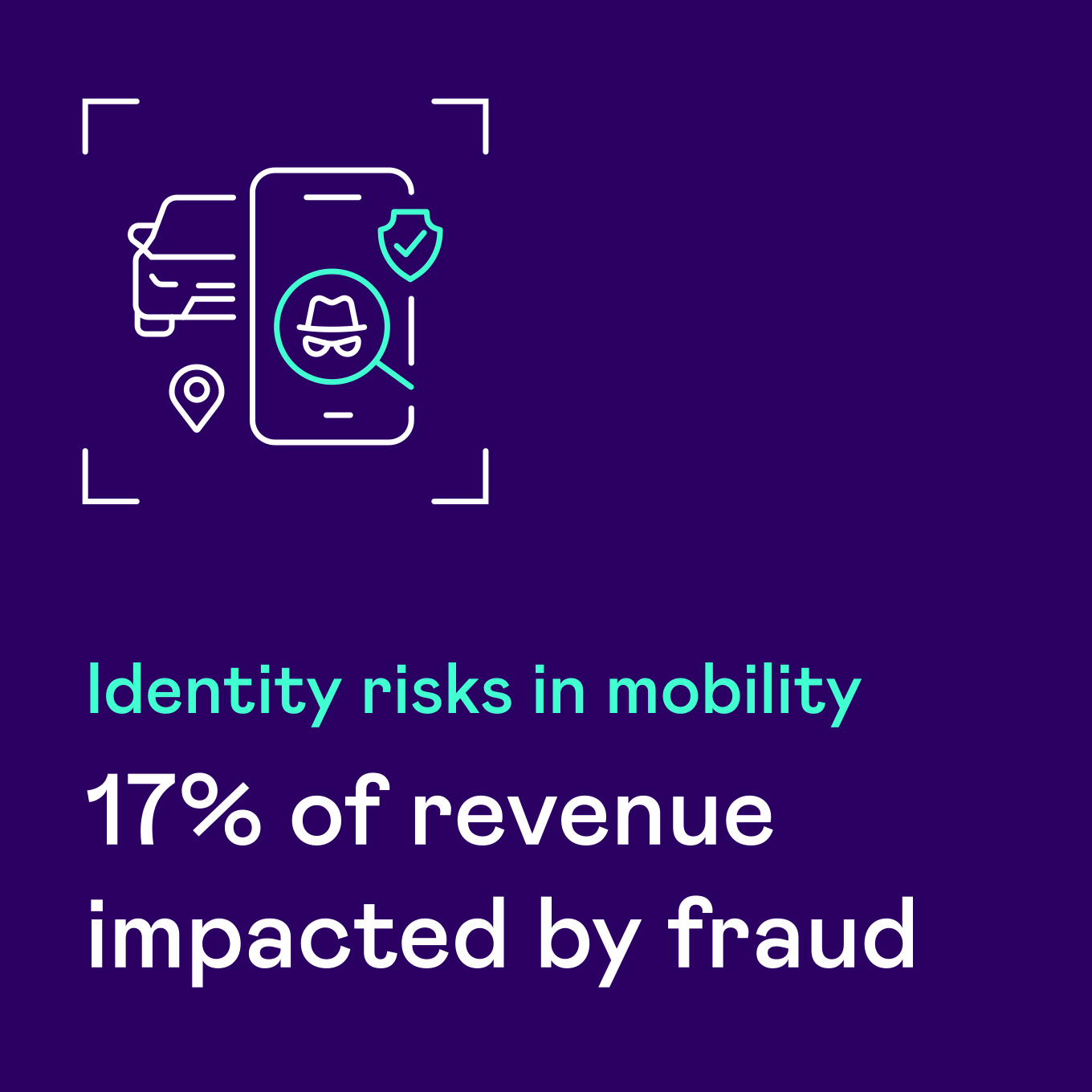
    Fraud detection in mobility platforms: successful attacks are rising

    Fraud detection in mobility platforms requires an intelligent balance between strong identity verification and a simple user experience. This article explores how to protect your transport services, rental fleets, and peer-to-peer marketplaces from identity risks at the point of transaction using real data and proven strategies.
    A Signicat brand graphic illustrating a smartphone displaying a secure green checkmark next to a digital map with a car. The text highlights that identity fraud impacts 17% of mobility sector revenue.