Resources

59 results

Clear filters
  • Compliance

    Online age verification in the UK: Ofcom’s highly effective age-assurance requirements

    The UK's Online Safety Act has fundamentally changed how online services must protect children from harmful content. A central pillar of this new legislation is the legal requirement for "highly effective age assurance," enforced by the UK's communications regulator, Ofcom. For businesses operating in the UK, understanding these rules is no longer optional, it's a legal and operational necessity.
    An image with the text: "Ofcom raises the bar: The UK is setting a new standard for age assurance." The text is accompanied by a graphic showing a user profile, a "+18" symbol, and a legal gavel.
  • Industry

    Optimising digital identity onboarding in Norway: Capturing the hidden 1–5% (2026)

    Norway has digital identity figured out. With near-universal BankID adoption, baseline conversion rates are exceptionally high and drop-off rates are incredibly low. But this success creates a dangerous blind spot: the complacency trap. Because the baseline is so high, many enterprises assume their digital onboarding works perfectly simply because they have a BankID integration in place.
    llustration for Signicat's onboarding process, showing three browser tabs where the first tab displays a hand holding an icon of multiple people and credentials.
  • Industry

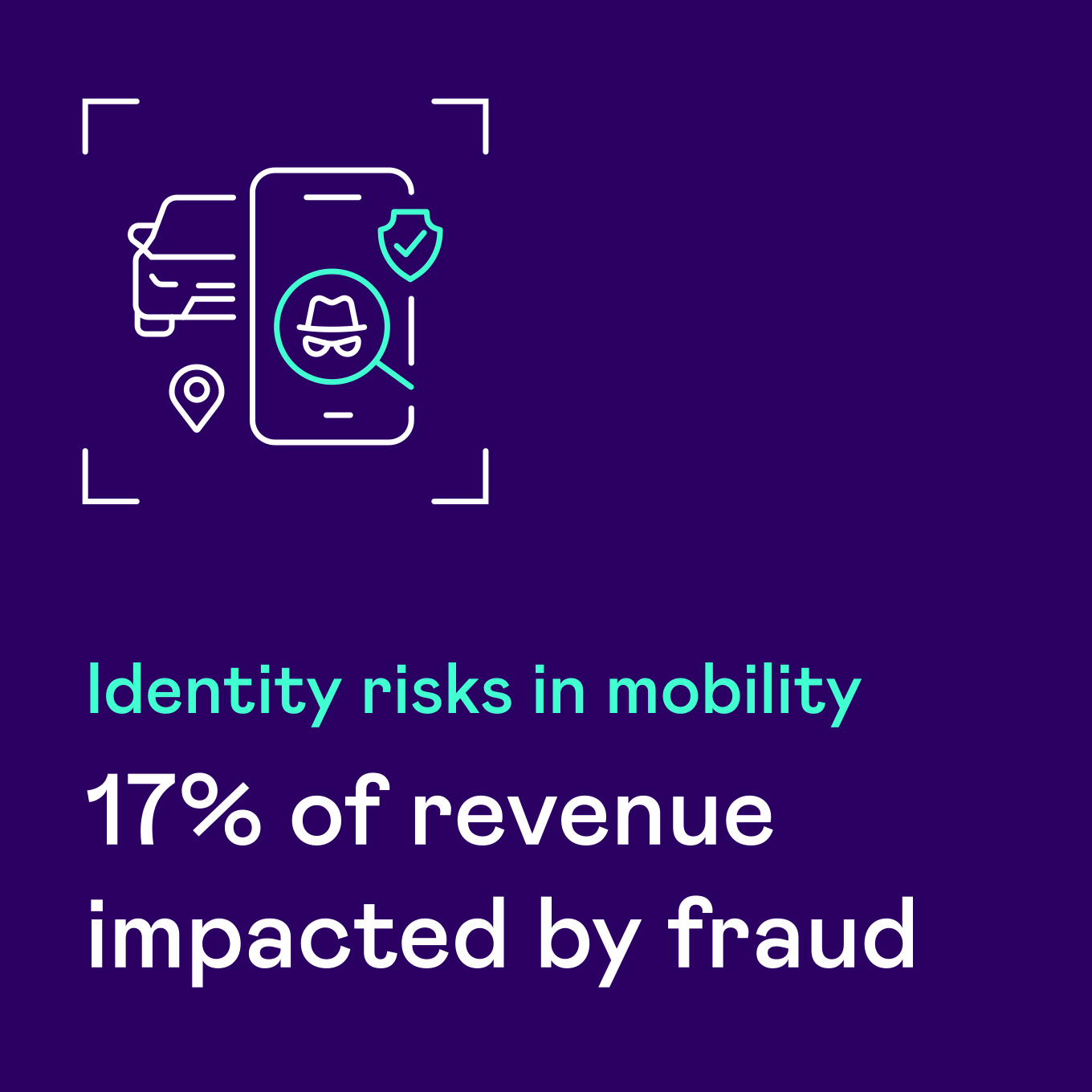
    Fraud detection in mobility platforms: successful attacks are rising

    Fraud detection in mobility platforms requires an intelligent balance between strong identity verification and a simple user experience. This article explores how to protect your transport services, rental fleets, and peer-to-peer marketplaces from identity risks at the point of transaction using real data and proven strategies.
    A Signicat brand graphic illustrating a smartphone displaying a secure green checkmark next to a digital map with a car. The text highlights that identity fraud impacts 17% of mobility sector revenue.
  • Industry +2

    EUDI Wallets: What Denmark's AltID launch signals for European business strategy

    Across Europe, the digital identity landscape is undergoing a monumental shift. Denmark's launch of its new national digital wallet, AltID, on June 3, 2026, marks a pivotal moment in this transition, offering a clear signal for what lies ahead for businesses across the continent.For decision-makers, the time to observe from the sidelines is over. The critical questions are no longer if, but how to strategically adapt to a future built on digital wallets. Now is the time to understand the current landscape, the upcoming legal requirements, and how to navigate a new reality that will define the future of digital commerce.
    EU-lommebok og Norges digitale fremtid
  • Solutions

    The EUDI wallet is here: Navigating the new era of digital onboarding

    For every 100 prospects that start your digital onboarding, how many actually finish? That drop-off rate is more than a vanity metric; it’s a direct hit to your bottom line. For years, the financial industry has worked to reduce this friction, balancing security, compliance, and user experience. Now, a transformative new element is entering the landscape: the EU Digital Identity (EUDI) Wallet. But this isn't a silver bullet that replaces everything. Instead, it marks the next phase in a 5-10 year transformation story, arriving to coexist with, and in some cases complement, established electronic IDs (eIDs) and identity verification (eIDV) methods. For fintechs and financial institutions, this means the market is about to get more complex, making a clear strategy more critical than ever. 
    Blog EUDI wallet thumbnail
  • Solutions

    NFC identity verification: the gold standard for modern fraud prevention

     NFC identity verification offers a highly secure way to authenticate ID documents using Near Field Communication. Instead of just looking at the surface, it communicates directly with the cryptographic chip embedded inside modern passports and national ID cards. This chip holds the user's government-issued digital identity, making it incredibly difficult to fake. 
    An image showing a passport scan using NFC technology
  • Compliance

    DAC7 Reporting for digital platforms: Requirements and identity verification

    DAC7 is an EU directive requiring online platforms to report sellers' income to tax authorities. This rule addresses the difficulty of tracking cross-border income, a challenge that has grown with the digital economy. While marketplaces, rental platforms, and the gig economy make it easy for people to earn money online, they also make tax reporting harder for authorities. DAC7 aims to solve this by creating new reporting obligations for many platform operators.This post breaks down what DAC7 reporting entails, why it matters for your platform, and how to meet its strict identity verification requirements.
    Dac7 reporting guidelines for digital platforms, highlighting compliance and data sharing requirements